Buy visionblog.eu ?
We are moving the project
visionblog.eu .
Are you interested in purchasing the domain
visionblog.eu ?
domain@kv-gmbh.de · 0541-91531010
Buy visionblog.eu ?
What is perspective in art?
Perspective in art refers to the technique used to create an illusion of depth and three-dimensionality on a two-dimensional surface. It involves the use of vanishing points, horizon lines, and scale to create the appearance of objects receding into the distance. Different types of perspective, such as linear perspective and atmospheric perspective, are used to achieve this effect. Perspective is an important tool for artists to create realistic and dynamic compositions in their artwork. **
What is the focus of the art colloquium: classical or postmodern art?
The focus of the art colloquium is on postmodern art. Postmodern art is a movement that emerged in the mid-20th century and is characterized by a rejection of traditional artistic conventions and a focus on challenging the boundaries of art. This colloquium likely explores the various themes, techniques, and influences of postmodern art, providing a platform for scholars and artists to discuss and analyze this important artistic movement. **

Similar search terms for Art
Top-Angebote
Products related to Art:
-
bareMinerals Mineralist Gloss-Balm-ImaginationDrench lips with sheer colour and glossy shine. Enriched with sustainably sourced fruit oils, this vegan lip gloss-balm delivers instant nourishment in a cushiony, non-sticky formula. Lips feel softer, smoother and more hydrated over time - even after you take it off. The cap and vial are made with post-consumer recycled plastic. Get the best of gloss and balm in one: sheer colour, high-shine and irresistibly soft lips. 90% said their lips felt instantly hydrated* Delivers up to 50% smoother lips in just 1 week* Based on a 1-week clinical study with 30 people. Results may vary. Dermatologist-tested. Shades: • Ambition • Clarity • Enlightenment • Heart • Imagination • Ingenuity • Love • Peace • Serenity • Sincerity • Trust • Vision • Wonder • Zen Ingredients Ambition, Clarity, Enlightenment, Heart, Imagination, Ingenuity, Love, Peace, Serenity, Sincerity, Trust, Vision, Wonder, Zen: Diisostearyl Malate, Phenyl Dimethicone, Triisostearyl Citrate, Glyceryl Behenate, Helianthus Annuus (Sunflower) Seed Wax, Simmondsia Chinensis (Jojoba) Seed Oil, Punica Granatum Flower Extract, Hippophae Rhamnoides Oil, Prunus Domestica Seed Oil, Ascorbyl Palmitate, Tocopherol, Silica Dimethyl Silylate, Calcium Stearate, Polyglyceryl-2 Triisostearate, Flavor (Aroma), Linalool. May Contain/Peut Contenir (+/-): Mica, Titanium Dioxide (Ci 77891), Iron Oxides (Ci 77491, Ci 77492, Ci 77499), Blue 1 Lake (Ci 42090), Red 7 Lake (Ci 15850), Red 28 Lake (Ci 45410), Yellow 5 Lake (Ci 19140).15,60 £*Shipping: 2,95 £Secure redirect to the provider
-
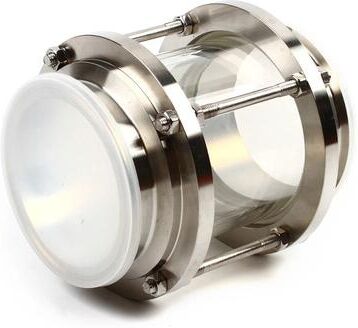
All Categories Goods Inline Sanitary Flow Sight Glass With Tri Clamp Sight Glass For Food & Beverage Inline Sanitary Flow Sight Glass With Tri Clamp Sight Glass For Food & BeverageImagine always knowing exactly whats flowing through your system at a glance no guesswork, no interruptions. This 4 approx inline sight glass gives brewers, food processors, and beverage makers a crystalclear view of liquids in motion, so you can...126,97 $*Shipping: 0,00 $Secure redirect to the provider
-
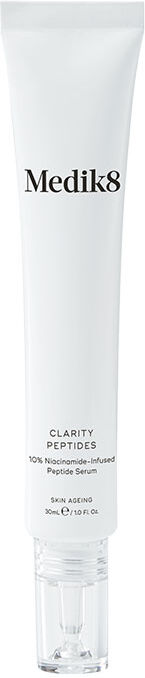
Medik8 Clarity Peptides 30mlAchieve visibly perfected, luminous skin when you need it most. Sometimes life gets in the way of perfect skin. Lack of sleep, poor diet, alcohol, stress, hormones and the list goes on. Everything and anything can affect your skin; leaving it blemish-prone and dull. That's where Clarity Peptides comes in as a skin perfecting peptide complex to help enhance your skins natural luminosity. The Peptides contains three potent actives: 10% niacinamide which calms and soothes redness, blotchy skin and blemishes, Crystalide peptide which adds light reflection for a translucent skin effect, and zinc PCA that minimises sebum production and balances skin bacteria to tackle blemishes. Ingredients Aqua (Water), Niacinamide, Caprylic/Capric Triglyceride, Acetyl Glucosamine, Glyceryl Stearate Citrate, Dimethicone, Zinc PCA, Glycerin, Polyglyceryl-3 Stearate, Crambe Abyssinica Seed Oil, Hydroxyacetophenone, Hydrogenated Lecithin, Behenyl Alcohol, Cetearyl Alcohol, Phenoxyethanol, Hydroxyethyl Acrylate/Sodium Acryloyldimethyl Taurate Copolymer, Disodium EDTA, Xanthan Gum, Cetyl Palmitate, Carnosine, Ethylhexylglycerin, Polysorbate 80, Palmitoyl Tetrapeptide-10, Sorbitan Stearate, Sodium Hyaluronate, Polysorbate 60, Sorbitan Isostearate, Sodium Benzoate, Citric Acid, Tocopherol, Butylene Glycol, 1,2-Hexanediol, Caprylhydroxamic Acid.41,16 £*Shipping: 0,00 £Secure redirect to the provider


-
Is this art? If yes, what direction?
Yes, this can be considered art as it involves creativity, expression, and skill. The direction of this art could be described as abstract or contemporary, as it does not adhere to traditional forms or styles. The use of vibrant colors, fluid shapes, and dynamic composition suggests a modern and innovative approach to artistic expression. **
-
How can I apply central perspective in art?
Central perspective in art can be applied by creating a vanishing point on the horizon line and drawing converging lines that lead to this point. This technique helps create the illusion of depth and three-dimensionality in a two-dimensional artwork. By placing objects or elements in the composition along these converging lines, you can achieve a sense of space and distance in your artwork. Experimenting with different angles and distances of the vanishing point can also create different effects and perspectives in your artwork. **
-
What are examples of parallel perspective in art?
Examples of parallel perspective in art include the work of Renaissance artists such as Leonardo da Vinci and Raphael, who used this technique to create realistic and three-dimensional representations of space. Another example is the use of parallel lines in architectural drawings to show depth and distance. Additionally, modern artists like M.C. Escher have used parallel perspective to create mind-bending optical illusions in their works. **
-
How can one analyze the perspective in an art analysis in an advanced art course?
In an advanced art course, analyzing perspective in art involves examining the artist's use of depth, space, and point of view to create a sense of realism or abstraction. Students can analyze the technical aspects of perspective, such as linear perspective, atmospheric perspective, and foreshortening, to understand how the artist creates the illusion of three-dimensional space on a two-dimensional surface. Additionally, students can consider the cultural, historical, and theoretical implications of perspective in art, exploring how different perspectives reflect social, political, and philosophical ideas. By examining both the technical and conceptual aspects of perspective, students can develop a comprehensive understanding of how artists use perspective to convey meaning and evoke emotional responses in their work. **

What makes art art?
Art can be defined as a form of creative expression that evokes emotions, stimulates the senses, and communicates ideas. It is a reflection of the artist's unique perspective and can take many different forms, such as painting, sculpture, music, literature, or performance. What makes art art is its ability to inspire, provoke thought, and connect people on a deeper level through the power of creativity and imagination. Ultimately, art is a way for individuals to express themselves and make sense of the world around them. **
How can the subjective perspective be represented in art?
The subjective perspective can be represented in art through the use of personal experiences, emotions, and interpretations. Artists can convey their unique viewpoint by incorporating elements such as color choices, composition, and symbolism that reflect their inner thoughts and feelings. By infusing their work with personal meaning and expression, artists can create a connection with the viewer, allowing them to experience the world through the artist's eyes. Ultimately, the subjective perspective in art offers a glimpse into the artist's individuality and allows for a deeper understanding of their creative vision. **
Top-Angebote
Products related to Art:
-
FOREO Imagination 100mlFOREO Imagination unique formula acts as the perfect base to your homemade face mask - so now you can make the most out of the fresh, natural ingredients from your kitchen. Formulated with Triple Infusion Complex, active nutrients are absorbed deep into the skin, feeding it from within. This antioxidant rich innovative product is enriched with Squalane and Vitamin E to help replenish fatty acids, and protect the skin from UV damage and damage caused by free radicals, leaving your skin looking and feeling healthier than ever before. Ingredients Aqua/Water/Eau, Glycerin, Cetearyl Alcohol, Caprylic/Capric Triglyceride, Cetyl Ethylhexanoate, Glyceryl Stearate, PEG-100 Stearate, Glycereth-26, Magnesium Aluminometasilicate, Dicaprylyl Carbonate, Hydroxyethyl Acrylate/Sodium Acryloyldimethyl Taurate Copolymer, Squalane, Potassium Cetyl Phosphate, Polysorbate 60, Trehalose, Hydroxyacetophenone, Pentaerythrityl Distearate, 1,2-Hexanediol, Xanthan Gum, Phospholipids, Allantoin, Panthenol, Bis-Ethoxydiglycol Cyclohexane 1,4-Dicarboxylate, Tocopheryl Acetate, Citrus Aurantium Dulcis Oil, Glycine Soja Oil, Sodium PCA, Disodium EDTA, Glycolipids, Dipotassium Glycyrrhizate, Glycine Soja Sterols, Propylene Glycol, Sodium Hyaluronate, Linoleic Acid, Glyceryl Linolenate41,99 £*Shipping: 0,00 £Secure redirect to the provider
-
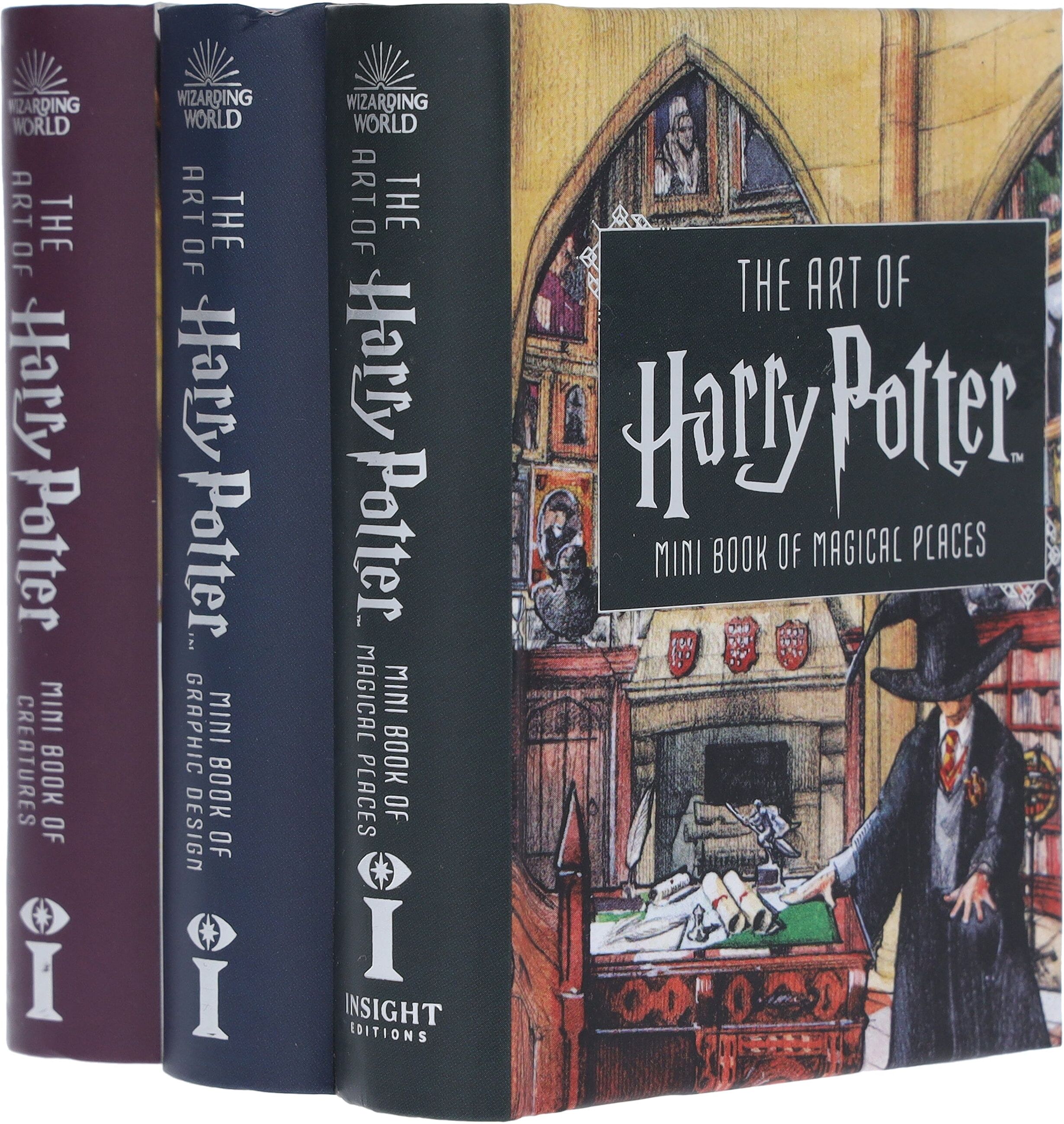
The Art of Harry Potter Series 3 Mini Books Collection Set - Ages 9+ - Hardback Insight EditionsTitles in this Set: 1. The Art of Harry Potter: Mini Book of Magical Places 2. The Art of Harry Potter: Mini Book of Graphic Design 3. The Art of Harry Potter: Mini Book of Creatures Description: The Art of Harry Potter: Mini Book of Magical Places From Hogwarts Castle to Diagon Alley to The Ministry of Magic, the magical places of J.K. Rowling’s Wizarding World captured the hearts and minds of fans years before the Harry Potter films brought them to life. Before they could exist on-screen, the look of each extraordinary set was developed in the minds and on the sketchpads of concept artists brought in to work on the films. Now fans can revisit each magical site with this miniature art book, showcasing the talented artists’ captivating work in a unique, collectible format. Explore a vast collection of sketches, drawings, and paintings of iconic magical landmarks, from Hogsmeade’s Shrieking Shack to Malfoy Manor, and celebrate the artistic magic that brought them to life. The Art of Harry Potter: Mini Book of Graphic Design From the classic pages of the Daily Prophet to the zany creations of Weasleys’ Wizards Wheezes, to the numerous textbooks, posters, and documents created for Hogwarts School of Witchcraft and Wizardry, iconic pieces of graphic design filled the Harry Potter films. The Art of Harry Potter: Mini Book of Creatures The magical world of the Harry Potter film series is filled with captivating and curious creatures, from the fearsome dragons of the Triwizard Tournament to the crafty goblins of Gringotts Bank to the owls who carry the wizarding post. To bring these creatures to life onscreen, an extraordinary team of artists created a huge collection of sketches, drawings, paintings, and digital renders, drawing some creatures from established mythology and others from the depths of their imagination. Feature Specification Series / Brand The Art of Harry Potter Official Franchise (Insight Editions Official Wizarding World Collection) Author / Artists Insight Editions (Featuring Official Concept Artists, Set Designers, and Illustrators of the Films) Publisher / Imprint Insight Editions (Official UK Distribution Curation) SKU / Product Code B2D8434 ISBN / Barcode 9782113012842 Format 3 Deluxe Hardback Mini Books inside Custom Presentation Display Casing Total Book Count 3 Complete Hardbound Visual Art Treasuries Age Range Ages 9 to 14 Years Old (Key Stage 2, Key Stage 3, Young Adults, and Adult Collectors) Titles Included 1. The Art of Harry Potter: Mini Book of Magical Places 2. The Art of Harry Potter: Mini Book of Graphic Design 3. The Art of Harry Potter: Mini Book of Creatures Internal Page Elements Hundreds of full-colour concept sketches, production paintings, prop designs, high-opacity art paper Skills Developed Visual literacy, graphic design appreciation, film concept decoding, artistic observation, creative stamina Insight Editions represents an exceptionally distinguished, multi-award-winning publishing house universally...20,99 £*Shipping: 2,99 £Secure redirect to the provider
-
bareMinerals Mineralist Gloss-Balm-ImaginationDrench lips with sheer colour and glossy shine. Enriched with sustainably sourced fruit oils, this vegan lip gloss-balm delivers instant nourishment in a cushiony, non-sticky formula. Lips feel softer, smoother and more hydrated over time - even after you take it off. The cap and vial are made with post-consumer recycled plastic. Get the best of gloss and balm in one: sheer colour, high-shine and irresistibly soft lips. 90% said their lips felt instantly hydrated* Delivers up to 50% smoother lips in just 1 week* Based on a 1-week clinical study with 30 people. Results may vary. Dermatologist-tested. Shades: • Ambition • Clarity • Enlightenment • Heart • Imagination • Ingenuity • Love • Peace • Serenity • Sincerity • Trust • Vision • Wonder • Zen Ingredients Ambition, Clarity, Enlightenment, Heart, Imagination, Ingenuity, Love, Peace, Serenity, Sincerity, Trust, Vision, Wonder, Zen: Diisostearyl Malate, Phenyl Dimethicone, Triisostearyl Citrate, Glyceryl Behenate, Helianthus Annuus (Sunflower) Seed Wax, Simmondsia Chinensis (Jojoba) Seed Oil, Punica Granatum Flower Extract, Hippophae Rhamnoides Oil, Prunus Domestica Seed Oil, Ascorbyl Palmitate, Tocopherol, Silica Dimethyl Silylate, Calcium Stearate, Polyglyceryl-2 Triisostearate, Flavor (Aroma), Linalool. May Contain/Peut Contenir (+/-): Mica, Titanium Dioxide (Ci 77891), Iron Oxides (Ci 77491, Ci 77492, Ci 77499), Blue 1 Lake (Ci 42090), Red 7 Lake (Ci 15850), Red 28 Lake (Ci 45410), Yellow 5 Lake (Ci 19140).15,60 £*Shipping: 2,95 £Secure redirect to the provider
-
All Categories Goods Inline Sanitary Flow Sight Glass With Tri Clamp Sight Glass For Food & Beverage Inline Sanitary Flow Sight Glass With Tri Clamp Sight Glass For Food & BeverageImagine always knowing exactly whats flowing through your system at a glance no guesswork, no interruptions. This 4 approx inline sight glass gives brewers, food processors, and beverage makers a crystalclear view of liquids in motion, so you can...126,97 $*Shipping: 0,00 $Secure redirect to the provider
-
What is perspective in art?
Perspective in art refers to the technique used to create an illusion of depth and three-dimensionality on a two-dimensional surface. It involves the use of vanishing points, horizon lines, and scale to create the appearance of objects receding into the distance. Different types of perspective, such as linear perspective and atmospheric perspective, are used to achieve this effect. Perspective is an important tool for artists to create realistic and dynamic compositions in their artwork. **
-
What is the focus of the art colloquium: classical or postmodern art?
The focus of the art colloquium is on postmodern art. Postmodern art is a movement that emerged in the mid-20th century and is characterized by a rejection of traditional artistic conventions and a focus on challenging the boundaries of art. This colloquium likely explores the various themes, techniques, and influences of postmodern art, providing a platform for scholars and artists to discuss and analyze this important artistic movement. **
-
Is this art? If yes, what direction?
Yes, this can be considered art as it involves creativity, expression, and skill. The direction of this art could be described as abstract or contemporary, as it does not adhere to traditional forms or styles. The use of vibrant colors, fluid shapes, and dynamic composition suggests a modern and innovative approach to artistic expression. **
-
How can I apply central perspective in art?
Central perspective in art can be applied by creating a vanishing point on the horizon line and drawing converging lines that lead to this point. This technique helps create the illusion of depth and three-dimensionality in a two-dimensional artwork. By placing objects or elements in the composition along these converging lines, you can achieve a sense of space and distance in your artwork. Experimenting with different angles and distances of the vanishing point can also create different effects and perspectives in your artwork. **
Similar search terms for Art
-
Medik8 Clarity Peptides 30mlAchieve visibly perfected, luminous skin when you need it most. Sometimes life gets in the way of perfect skin. Lack of sleep, poor diet, alcohol, stress, hormones and the list goes on. Everything and anything can affect your skin; leaving it blemish-prone and dull. That's where Clarity Peptides comes in as a skin perfecting peptide complex to help enhance your skins natural luminosity. The Peptides contains three potent actives: 10% niacinamide which calms and soothes redness, blotchy skin and blemishes, Crystalide peptide which adds light reflection for a translucent skin effect, and zinc PCA that minimises sebum production and balances skin bacteria to tackle blemishes. Ingredients Aqua (Water), Niacinamide, Caprylic/Capric Triglyceride, Acetyl Glucosamine, Glyceryl Stearate Citrate, Dimethicone, Zinc PCA, Glycerin, Polyglyceryl-3 Stearate, Crambe Abyssinica Seed Oil, Hydroxyacetophenone, Hydrogenated Lecithin, Behenyl Alcohol, Cetearyl Alcohol, Phenoxyethanol, Hydroxyethyl Acrylate/Sodium Acryloyldimethyl Taurate Copolymer, Disodium EDTA, Xanthan Gum, Cetyl Palmitate, Carnosine, Ethylhexylglycerin, Polysorbate 80, Palmitoyl Tetrapeptide-10, Sorbitan Stearate, Sodium Hyaluronate, Polysorbate 60, Sorbitan Isostearate, Sodium Benzoate, Citric Acid, Tocopherol, Butylene Glycol, 1,2-Hexanediol, Caprylhydroxamic Acid.41,16 £*Shipping: 0,00 £Secure redirect to the provider
-
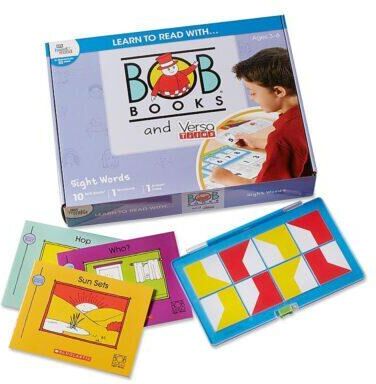
BOB Books VersaTiles Kit: Sight WordsBob Books offers repetition and fun stories to introduce important sight words. Consistent short vowels and simple stories ensure that each book is a gentle step into early reading.Alongside these books students can practice the skills they are...39,99 $*Shipping: 0,00 $Secure redirect to the provider
-
Sesderma Reti Age 5 Liposomal Serum Anti-Aging Innovation 30mLA facial serum for wrinkles and signs of ageing. Reduces wrinkles and fine lines. Hydrates and strengthens barrier. Restores youthful radiance. 5-Retinoid System: smooths wrinkles, accelerates renewal, and boosts collagen. Biomimetic Peptides: fill expression lines by stimulating collagen synthesis.54,51 £*Shipping: 5,34 £Secure redirect to the provider
-
What are examples of parallel perspective in art?
Examples of parallel perspective in art include the work of Renaissance artists such as Leonardo da Vinci and Raphael, who used this technique to create realistic and three-dimensional representations of space. Another example is the use of parallel lines in architectural drawings to show depth and distance. Additionally, modern artists like M.C. Escher have used parallel perspective to create mind-bending optical illusions in their works. **
-
How can one analyze the perspective in an art analysis in an advanced art course?
In an advanced art course, analyzing perspective in art involves examining the artist's use of depth, space, and point of view to create a sense of realism or abstraction. Students can analyze the technical aspects of perspective, such as linear perspective, atmospheric perspective, and foreshortening, to understand how the artist creates the illusion of three-dimensional space on a two-dimensional surface. Additionally, students can consider the cultural, historical, and theoretical implications of perspective in art, exploring how different perspectives reflect social, political, and philosophical ideas. By examining both the technical and conceptual aspects of perspective, students can develop a comprehensive understanding of how artists use perspective to convey meaning and evoke emotional responses in their work. **
-
What makes art art?
Art can be defined as a form of creative expression that evokes emotions, stimulates the senses, and communicates ideas. It is a reflection of the artist's unique perspective and can take many different forms, such as painting, sculpture, music, literature, or performance. What makes art art is its ability to inspire, provoke thought, and connect people on a deeper level through the power of creativity and imagination. Ultimately, art is a way for individuals to express themselves and make sense of the world around them. **
-
How can the subjective perspective be represented in art?
The subjective perspective can be represented in art through the use of personal experiences, emotions, and interpretations. Artists can convey their unique viewpoint by incorporating elements such as color choices, composition, and symbolism that reflect their inner thoughts and feelings. By infusing their work with personal meaning and expression, artists can create a connection with the viewer, allowing them to experience the world through the artist's eyes. Ultimately, the subjective perspective in art offers a glimpse into the artist's individuality and allows for a deeper understanding of their creative vision. **
* All prices are inclusive of VAT and, if applicable, plus shipping costs. The offer information is based on the details provided by the respective shop and is updated through automated processes. Real-time updates do not occur, so deviations can occur in individual cases. ** Note: Parts of this content were created by AI.